


Phu Quoc wakes early. Long before its beaches begin to fill with visitors, small eateries across Duong Dong are already alive with the warmth of open kitchens, serving steaming bowls of bún kèn, bún quậy, bánh canh, and fragrant broths rising into the morning air. This is perhaps the best time to catch a glimpse of how islanders truly eat: quick and uncomplicated, yet never careless.
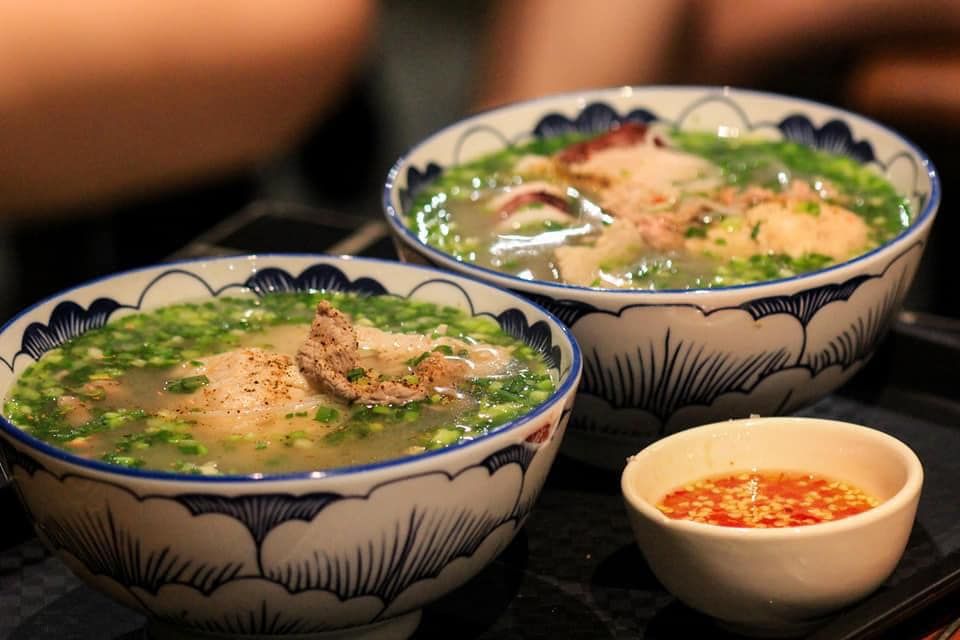
Bún quậy is often the first dish to capture visitors’ curiosity, not least because of the distinctive way it is prepared. Each bowl is assembled right before your eyes, with freshly made seafood paste spread around the inside of the bowl before being cooked by piping-hot broth. The dipping sauce does not come ready-made; diners mix their own combination of sugar, salt, kumquat and chilli to taste. The word “quậy” — meaning “to stir” — therefore refers not only to the preparation of the noodles, but also to the small ritual of creating a dipping sauce entirely your own.
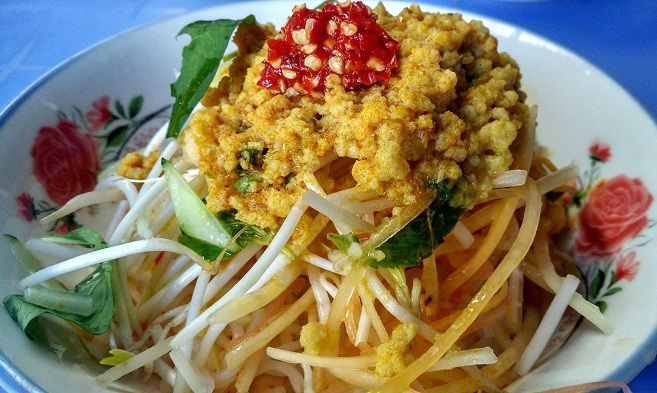
Bún kèn, meanwhile, carries an even stronger sense of local identity. Fish is finely ground or pounded, then simmered with coconut milk and spices until the broth becomes fragrant and gently creamy without feeling overly rich. Fresh herbs, shredded green papaya and a touch of chilli bring balance to the dish. It is best enjoyed in the morning, just after the shop opens, when the broth is freshly made and at its most aromatic.
Where should you have breakfast for the most convenient start?
If you are staying in the centre, choose one of the local eateries around Duong Dong to keep travel time to a minimum. Those based in the south of the island can have breakfast near An Thoi before heading to the cable car or setting out on an island-hopping tour. In the north, breakfast at the hotel is often the more practical choice, as the journey back to the town centre can be relatively long.
Gỏi cá trích, or Phu Quoc-style herring salad, is a familiar dish at gatherings among many island families. Fresh herring is carefully prepared and tossed with onion, grated coconut and aromatic herbs. To eat it the traditional way, wrap the fish in rice paper together with wild herbs and cucumber, then dip the roll into a sauce layered with sour, salty, sweet and creamy notes.
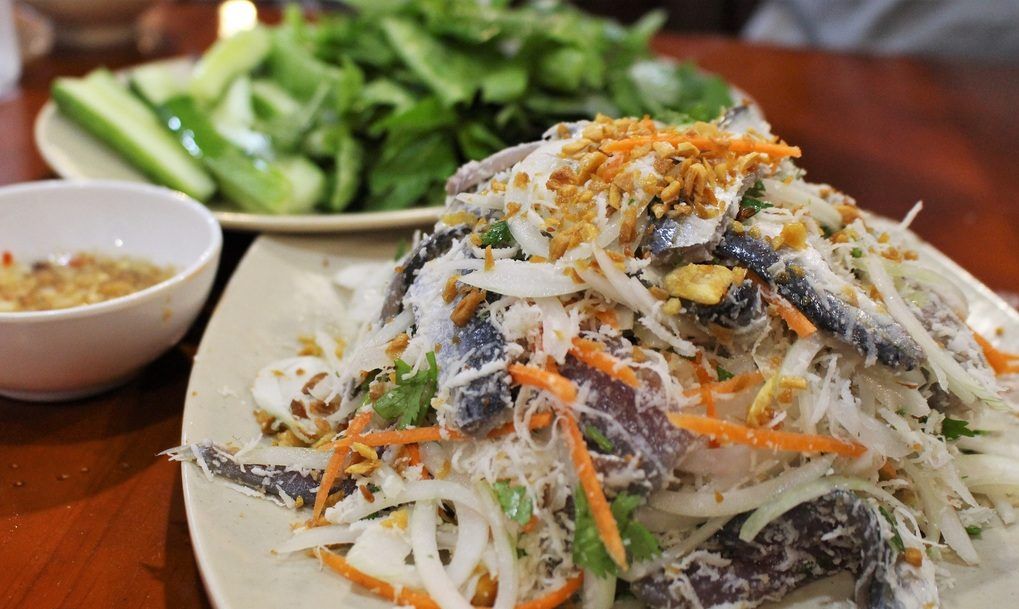
Freshness is everything with this dish. Good herring should have translucent, firm flesh, with no mushiness or overpowering fishy aroma. Travellers with sensitive stomachs, pregnant women, young children or anyone unaccustomed to raw or lightly cured seafood may prefer fully cooked dishes instead. After all, a memorable meal should add to the pleasures of a journey — not compromise the days that follow.
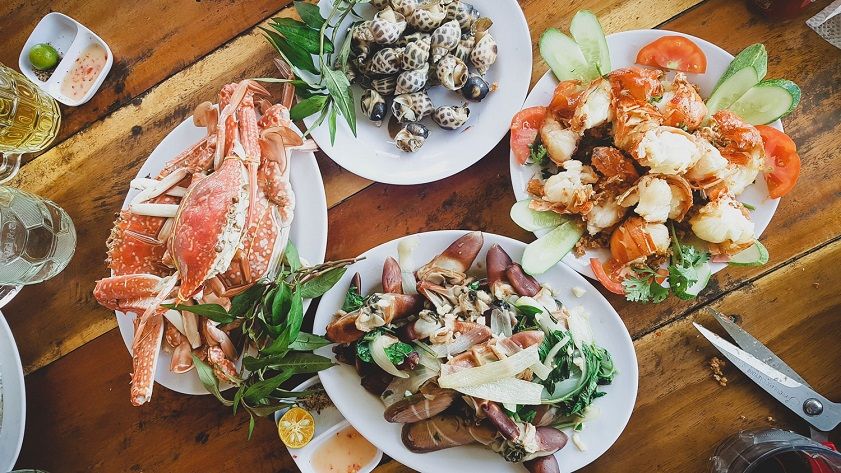
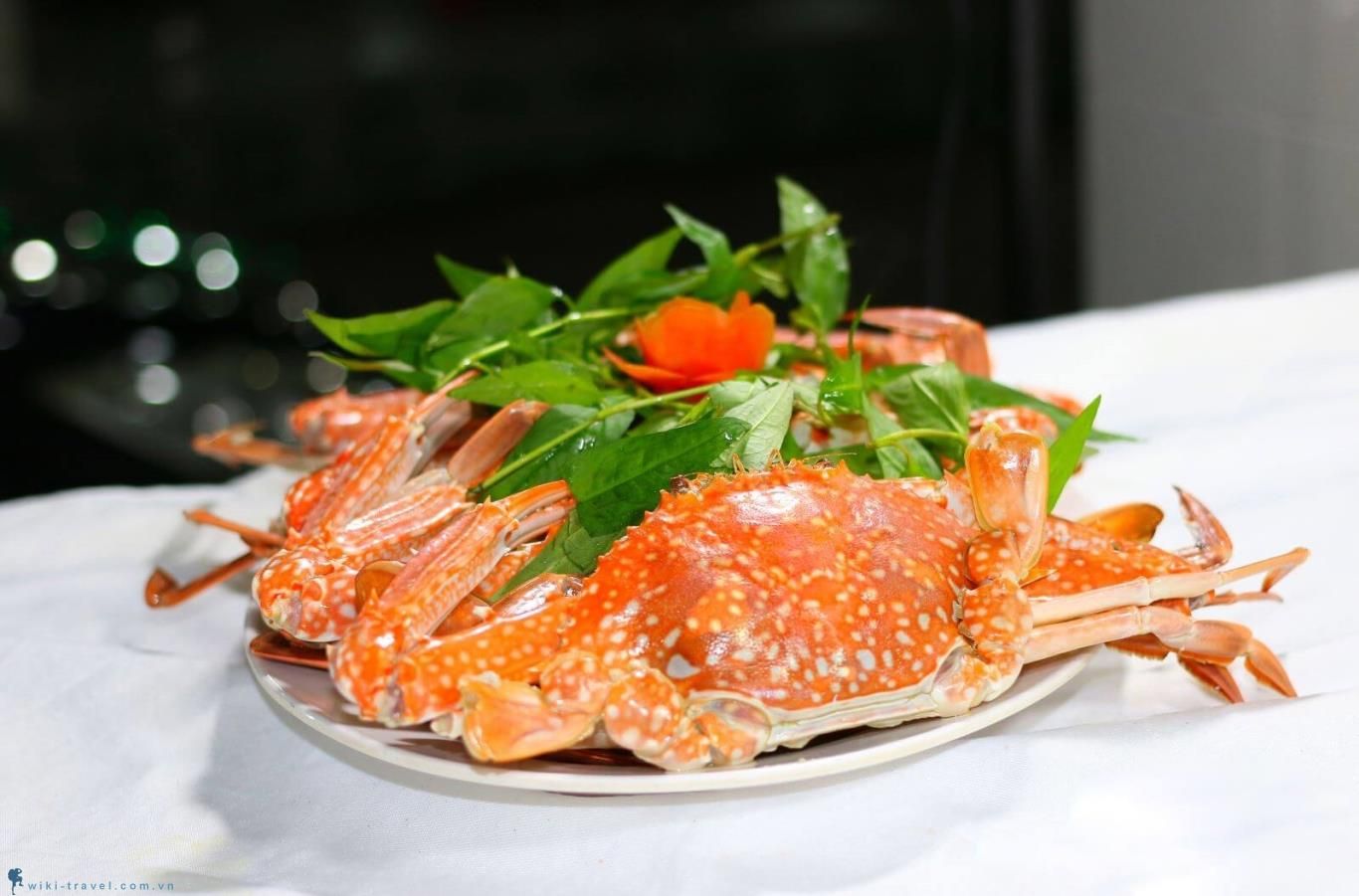
Ham Ninh crab, pen shell adductor muscle, sea urchin, squid, fish and slipper lobster are among the seafood favourites commonly found on menus across Phu Quoc. Each has its own best preparation, but one rule matters above all: always confirm the price before ordering.
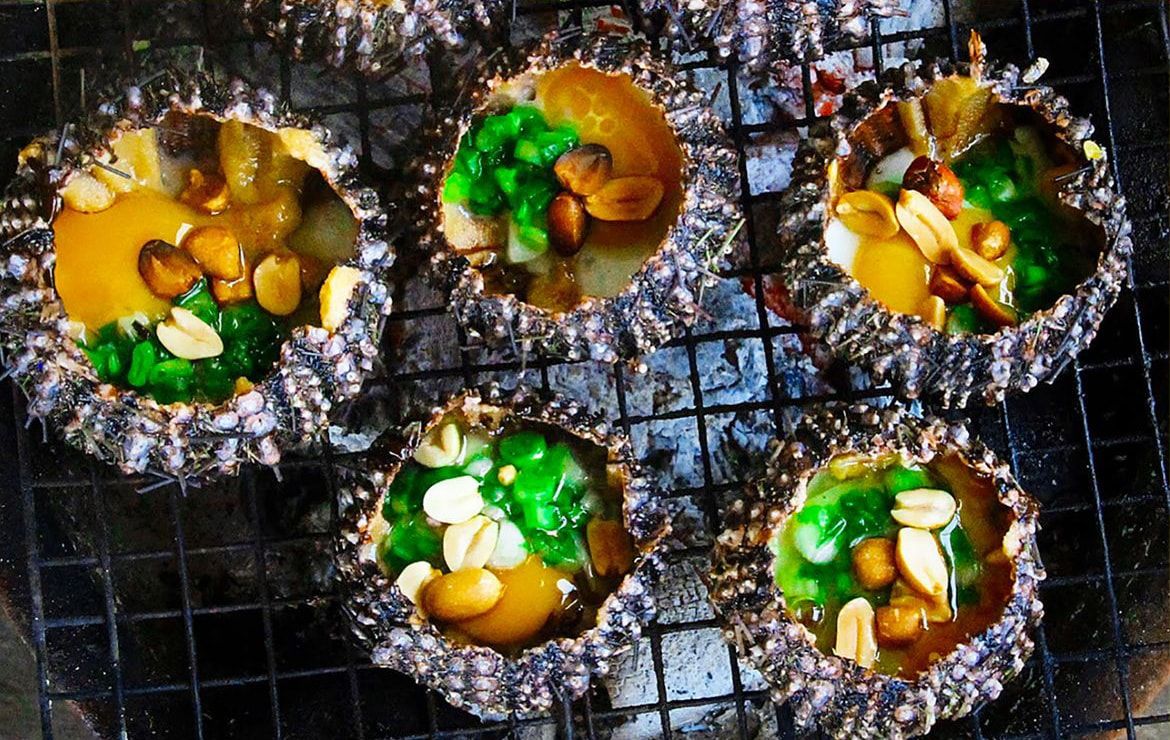
A good crab does not necessarily have to be the largest. A lively crab with firm flesh and a tightly closed abdominal flap often offers better value than an oversized but lightweight one. Pen shell meat has a pleasantly crisp texture and is particularly suited to grilling or stir-frying. Sea urchin is rich and creamy, commonly grilled with scallion oil or cooked into porridge. Slipper lobster is prized for its thick, succulent tail meat and is best steamed or grilled simply, allowing its natural sweetness to remain the star.
As evening falls, the night market becomes one of Duong Dong’s liveliest corners. Seafood stalls, sizzling grills, trays of bánh khéo and rows of local treats stretch along the walkway. Its charm lies as much in the atmosphere as in the food — aromas drifting through the air, vendors calling out to passers-by and a constant tide of people moving beneath the lights.
The most enjoyable approach is to walk the market once before deciding what to eat. There is plenty to choose from, but flavours and prices can vary considerably from one stall to another. Larger groups can order several smaller portions to sample more dishes, while two travellers may find that one main seafood dish, one local speciality and a dessert make for a perfectly satisfying meal.
Bánh khéo, a delicate Phu Quoc pastry, makes an easy gift to bring home: small, neatly packaged and available with a variety of fillings. Fish sauce, pepper and dried seafood are also popular souvenirs, though travellers should check airline baggage regulations before packing them for the flight.
Duong Dong is particularly convenient for breakfast, local specialities and the night market. Ham Ninh is often chosen by travellers seeking seafood in the atmosphere of a traditional fishing village. The southern part of the island offers a wide range of restaurants catering to visitors exploring the surrounding attractions, including striking seafront dining venues in Sunset Town. The north of Phu Quoc works well for families staying several days, although dining choices and prices may depend more heavily on the resort in which they are staying.
There is little need to cross the entire island simply to tick off a famous restaurant. In Phu Quoc, a rewarding meal often comes down to something far simpler: being in the right place, at the right time, and ordering just the right amount — rather than trying to work through an endless culinary checklist.
Bún quậy, steamed crab, grilled fish and bánh khéo are among the most approachable choices for first-time visitors. Herring salad and sea urchin offer more distinctive flavours and may be better suited to diners already comfortable with raw dishes or seafood.
Prices vary depending on the type of seafood, fishing season and location. Seafront restaurants or venues within major tourism complexes may charge differently from neighbourhood eateries frequented by locals. Asking about the price, weight and preparation fee before ordering is one of the simplest ways to keep the final bill under control.
The market offers grilled seafood, squid, sea urchin, local snacks, bánh khéo, rolled ice cream and a wide selection of packaged island specialities. Ordering smaller portions is a good way to taste a wider variety without over-ordering or wasting food.